Material intake
The RFQ is reviewed for alloy family, grade, shape, dimensions, finish, quantity and any acceptable substitutions. This step prevents a generic stock quote from missing the actual application constraint.
Process Overview
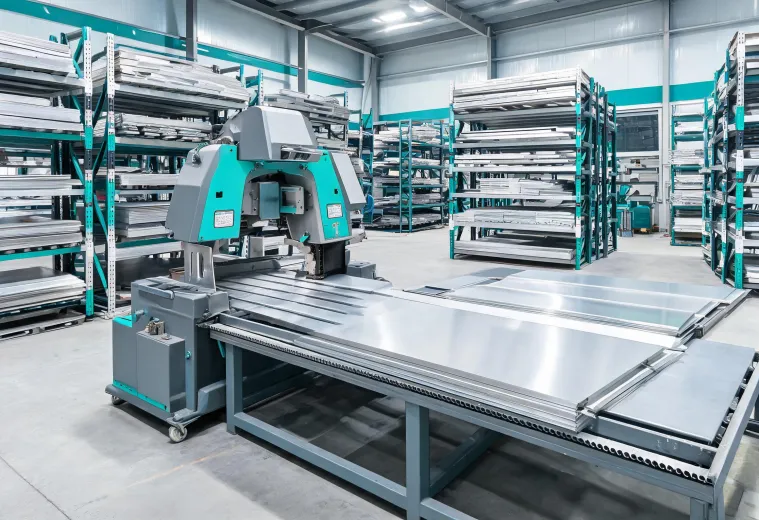
Ryerson capabilities are framed around the work that happens between stock selection and the next production step. The page uses a clean process structure: understand the requested material, define the processing tolerance, assign the right equipment path, confirm documents and plan the lead time. That keeps the content focused on capacity, inventory and supply-chain execution rather than broad corporate claims.
Milestones
The RFQ is reviewed for alloy family, grade, shape, dimensions, finish, quantity and any acceptable substitutions. This step prevents a generic stock quote from missing the actual application constraint.
Cut-to-size, saw cutting, plate work, edge condition, packaging and staged release needs are matched to available equipment and realistic shop timing.
Thickness, width, length, flatness, surface finish and handling requirements are clarified before the order is treated as ready for release.
Material can be organized by job, cell, location or release date so receiving teams can move the bundle into production with less sorting.
Processing Tolerances and Equipment
Cut lengths, bundle counts, saw kerf assumptions and acceptable length variation should be identified before the quote is approved. That makes the order easier to receive and reduces recutting inside the buyer's facility.
Plate size, surface condition, lift method and protective packaging can affect whether material enters fabrication cleanly. Ryerson capability language keeps those factors visible in the conversation.
Different jobs may call for saw cutting, shearing, plate processing, finishing coordination or fabrication prep. The equipment path should match the next operation, not just the purchased metal category.
Lead time is more useful when it separates stock confirmation, processing queue, documentation review and shipment. That lets the buyer decide where timing risk actually sits.
Capability Audit
Share the material list, required forms, tolerance notes and delivery window so the quote can reflect the work needed before material reaches your team.